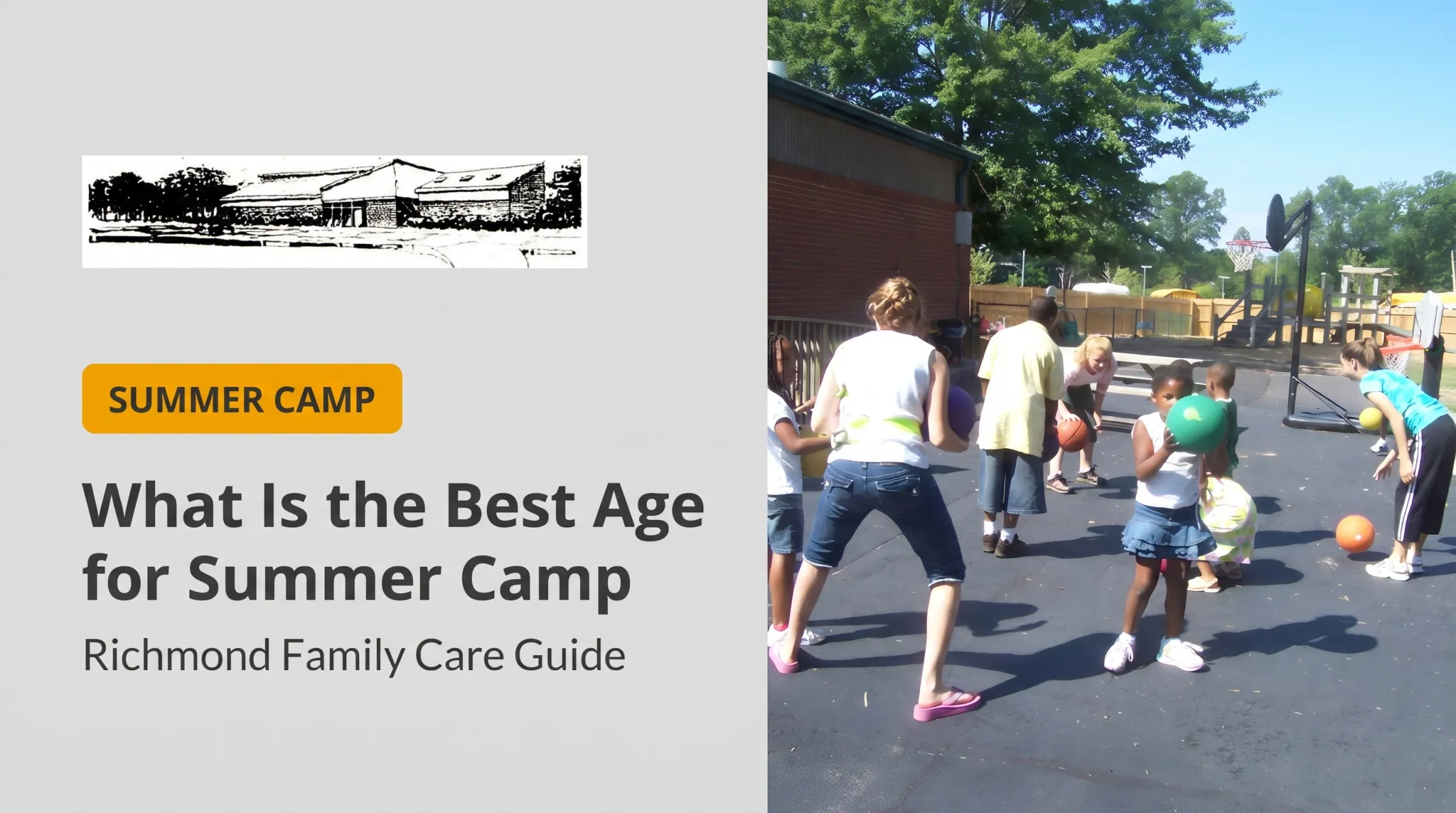
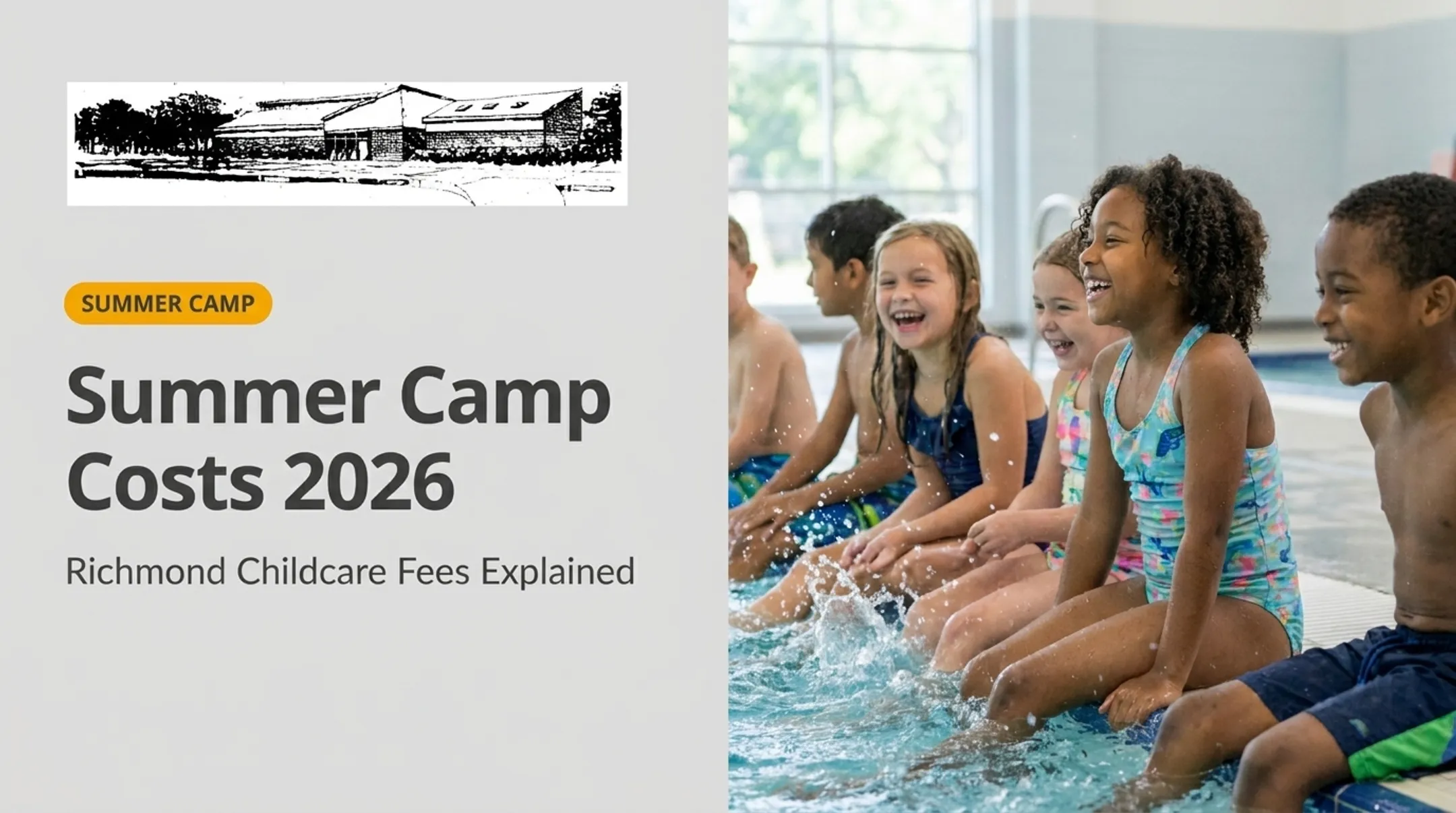
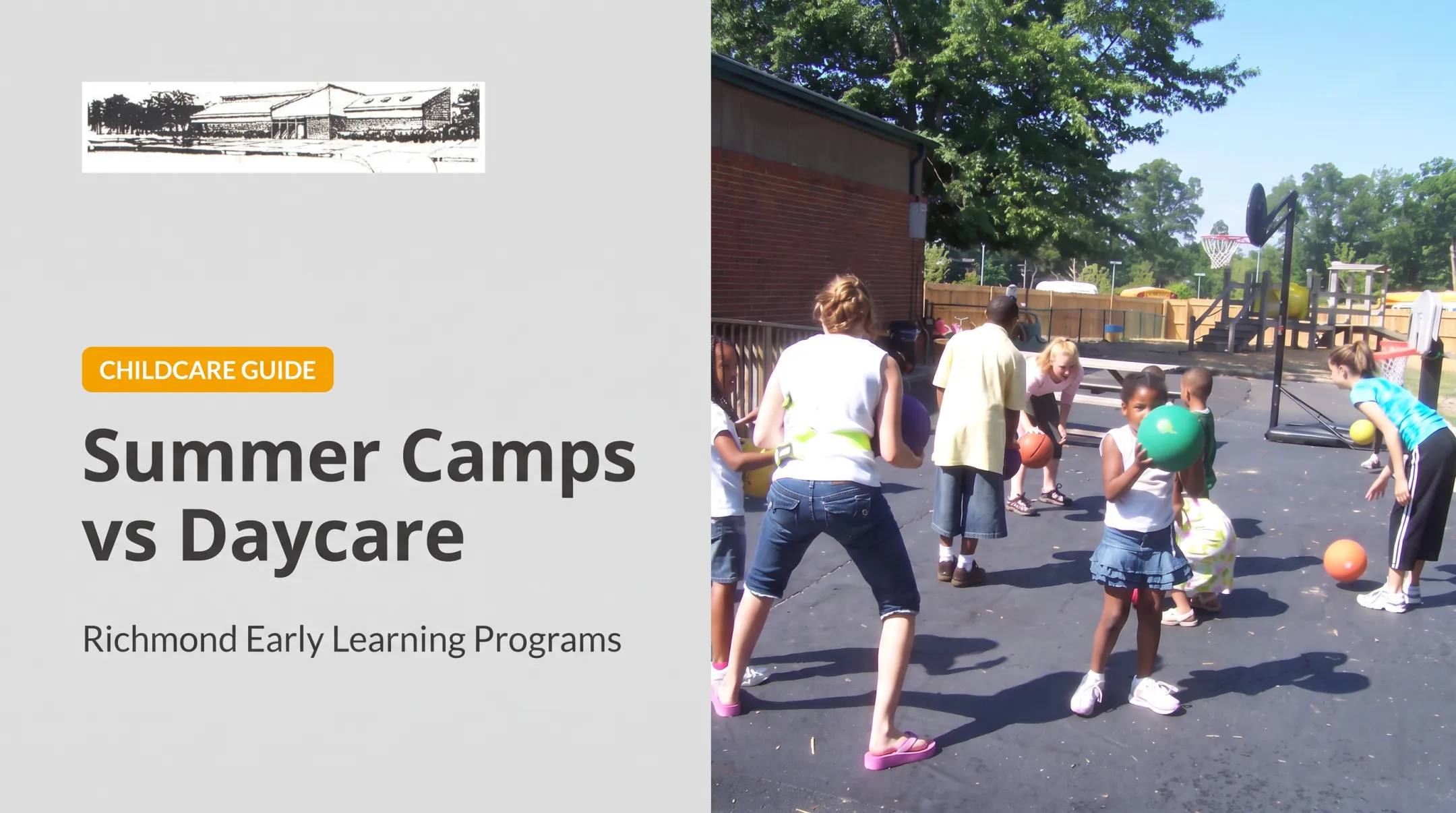
The value of camp shows up in small moments. A child makes a new friend at the pool, tries an unfamiliar activity, fixes a problem with a teammate, and settles into a predictable day.
This article covers the developmental benefits of camp, what children may miss without meaningful summer enrichment, and how to judge whether a program fits your child.
Key Takeaways
- Camp blends supervised care, play, social time, physical activity, and hands-on learning.
- Quality matters more than attendance alone for social-emotional growth.
- Look for trained staff, attentive supervision, and a balanced daily schedule.
- Match the format and routine to your child's readiness, not a fixed age.
What Is Summer Camp for Children?
A summer camp is a planned program where children spend part or all of the summer in supervised recreational, social, outdoor, creative, and learning activities.
The two main formats differ in how much separation they involve:
- Day camp: Children go home each evening. The American Camp Association (ACA) defines a session as more than 25 hours across five days.
- Overnight camp: Sessions run four nights or more, and the camp is responsible for campers around the clock.
Day camp offers gradual independence with home as a safety net. Overnight camp asks for more self-management and more time away from family. Neither format is better for every child.
What matters most is the mix of experiences and supportive relationships. The best program matches your child's age, interests, comfort level, and readiness.
Key Advantages of Summer Camp for Children
Summer camp builds practical skills through repeated activities, peer interaction, supportive adults, and real chances to choose. Results vary by child. Program quality, time spent at camp, accessibility, and age-appropriate activities all shape the outcome.
Social-Emotional Growth, Friendship, and Teamwork
Group games, shared projects, and daily routines give children constant practice with communication, cooperation, empathy, and resolving disagreements.
These skills match the five competencies in the CASEL framework:
- Self-awareness
- Self-management
- Social awareness
- Relationship skills
- Responsible decision-making
The evidence comes with a caveat. A national longitudinal study found that attendance and time at camp had minimal association with social-emotional skills.
Higher-quality experiences, however, predicted positive outcomes on every measure. These are associations, not proof of cause. Quality is what counts.

Independence, Confidence, and Resilience
Children gain confidence when they try something new, choose between activities, keep track of their belongings, and work through a manageable challenge with staff nearby. That is independence within clear boundaries.
In a 2019 study of 352 young adults who had attended camp for at least three weeks, alumni named several lasting outcomes:
- Independence
- Perseverance
- Responsibility
- Willingness to try new things
These were retrospective reports, and alumni also credited school, home, and sports.
Some children need gradual preparation for separation, new places, or overnight stays. A short day-camp format in a familiar setting is a sensible first step.
Physical Health, Curiosity, and Cognitive Growth
Swimming, outdoor play, nature exploration, sports, art, science, and hands-on projects keep children moving and curious. The CDC recommends at least 60 minutes of moderate-to-vigorous activity daily for ages 6 to 17.
Two randomized day-camp trials, one with 94 children and one with 422, found more favorable BMI changes among campers than among children with a typical summer. Both studied low-income households in specific settings, so they show potential rather than universal effects.

Enrichment is not classroom instruction. RAND notes that recreational camps aim for engagement, social connection, and exploring interests, and that they have not been rigorously evaluated for academic gains. Enjoyable activities can reinforce skills without making summer feel like another school term.
What Children May Miss Without a Meaningful Summer Experience
Children do not need camp to develop well. A long, unstructured break can still reduce access to regular peer contact, active play, new experiences, and a guided daily rhythm.
Possible missed opportunities include:
- Practicing teamwork with a consistent group
- Exploring new interests
- Keeping an active daily routine
- Solving problems in unfamiliar settings
- Time away from screens
In an ACA impact study, 58% of youth said camp helped them appreciate that break. The figure reflects what campers reported, not a measured comparison with peers who stayed home.
Families can supply much of this through community programs, sports, libraries, outdoor time, and family routines. Cost is also a real barrier: parents ranked it the top obstacle to summer programs overall. Camp is one good option, not an obligation.

How to Get the Most Value from Summer Camp
Camp works best when the program is consistent, the child feels safe, activities fit the child's stage, and parents and staff talk openly about the child's needs.
Choose the Format and Level of Independence That Fit
Compare day and overnight options by weighing:
- Age and prior experience away from home
- Sleep routines and personality
- Interests and accessibility needs
- The child's own enthusiasm
The American Camp Association (ACA) notes that children under 7 may find separation hard and suggests day camp as a step before overnight. The American Academy of Pediatrics (AAP) says most children are ready for overnight camp around ages 7 to 8, but readiness is individual.
Evaluate Quality, Safety, and Developmental Balance
Ask each camp about:
- Licensing or regulatory status
- Staff qualifications, training, and supervision practices
- Emergency procedures and health policies
- Rest periods, meals, outdoor time, and group activities
- Inclusion practices and communication expectations
In Virginia, check which category a program falls under. Licensed child day centers follow state ratios and swimming rules, while some qualifying out-of-school programs are exempt. Accreditation does not replace a license, so ask directly.

Starling Child Care offers a local example for Richmond-area families. Parents can review its Commonwealth of Virginia license and NAEYC accreditation, plus features such as:
- Three age-appropriate outdoor learning spaces and a Children's Garden
- Swimming, nature exploration, creative movement, and group activities
- Nutritious meals and snacks
- A summer camp that limits screens and mixes morning academics with brain breaks
Prepare the Child and Keep Communicating
Before the first day:
- Walk through the daily routine together.
- Practice self-help skills such as handling a lunch or putting on sunscreen.
- Label belongings.
- Review drop-off and pick-up plans.
- Offer choices about activities and comfort items.
Share medical, emotional, behavioral, dietary, communication, and accessibility information with staff. Afterward, use their feedback to reinforce what went well at home.

Conclusion
Summer camp gives children a supportive setting to build friendships, practice independence, develop resilience, stay active, and explore interests during the break.
The strongest results come from a safe, well-supervised, age-appropriate program that treats play, relationships, exploration, and learning as parts of one experience.
Virginia Preschool Initiative (VPI) and the Weeks It Does Not Cover
Check the calendar before you assume care is handled. The Virginia Preschool Initiative (VPI) funds preschool for eligible four-year-olds in Virginia at no cost to qualifying households, but it runs during the school year rather than through the summer. Families holding a VPI seat still tend to need cover for breaks, holidays, and closure days. Eligibility commonly reaches households at or below 200% of the federal poverty level, verified through documentation. Starling Child Care in Henrico, VA runs camp alongside the Henrico County Preschool Program for exactly this reason. Ask which pathway applies and how camp covers the gaps.
Frequently Asked Questions
What are the benefits of summer camp?
Camp can support social-emotional skills, friendships, independence, resilience, physical activity, creativity, and hands-on learning. Results vary by child and depend on program quality.
What is the best age to start summer camp?
No single age fits every child. Readiness depends on the format, past separation experience, confidence, and communication skills. Day camp is a common first step.
Is summer camp good for children?
A high-quality, age-appropriate camp can support development. Families should still choose a setting that fits their child's needs and temperament.
What should parents look for in a summer camp?
Check licensing, staff training, supervision, safety procedures, daily routines, communication, inclusion, and whether the activities match your child's interests.
Is day camp or overnight camp better for children?
Day camp offers convenience and gradual independence. Overnight camp involves more separation and self-management. Neither is better for every child.
How can parents prepare a child for summer camp?
Talk through the routine, practice self-help skills, label belongings, and share relevant information with staff. Make the first experience short and manageable.