None of it looks like a lesson. All of it is learning.
A high-quality preschool is a safe, nurturing, developmentally appropriate place where educators intentionally support the whole child, not just letters and numbers. This article covers what that learning looks like, how teachers guide it, which standards matter, and what to watch for on a visit.
Key Takeaways
- Strong programs build thinking, language, social-emotional, physical, creative, and self-help skills together.
- Good play is purposeful, open-ended, and guided by responsive teachers.
- Quality programs adapt to each child's interests, abilities, culture, and language.
- Judge daily practice, relationships, and credentials, not marketing copy.
What Does Learning Look Like in a High-Quality Preschool Program?
Learning through purposeful play
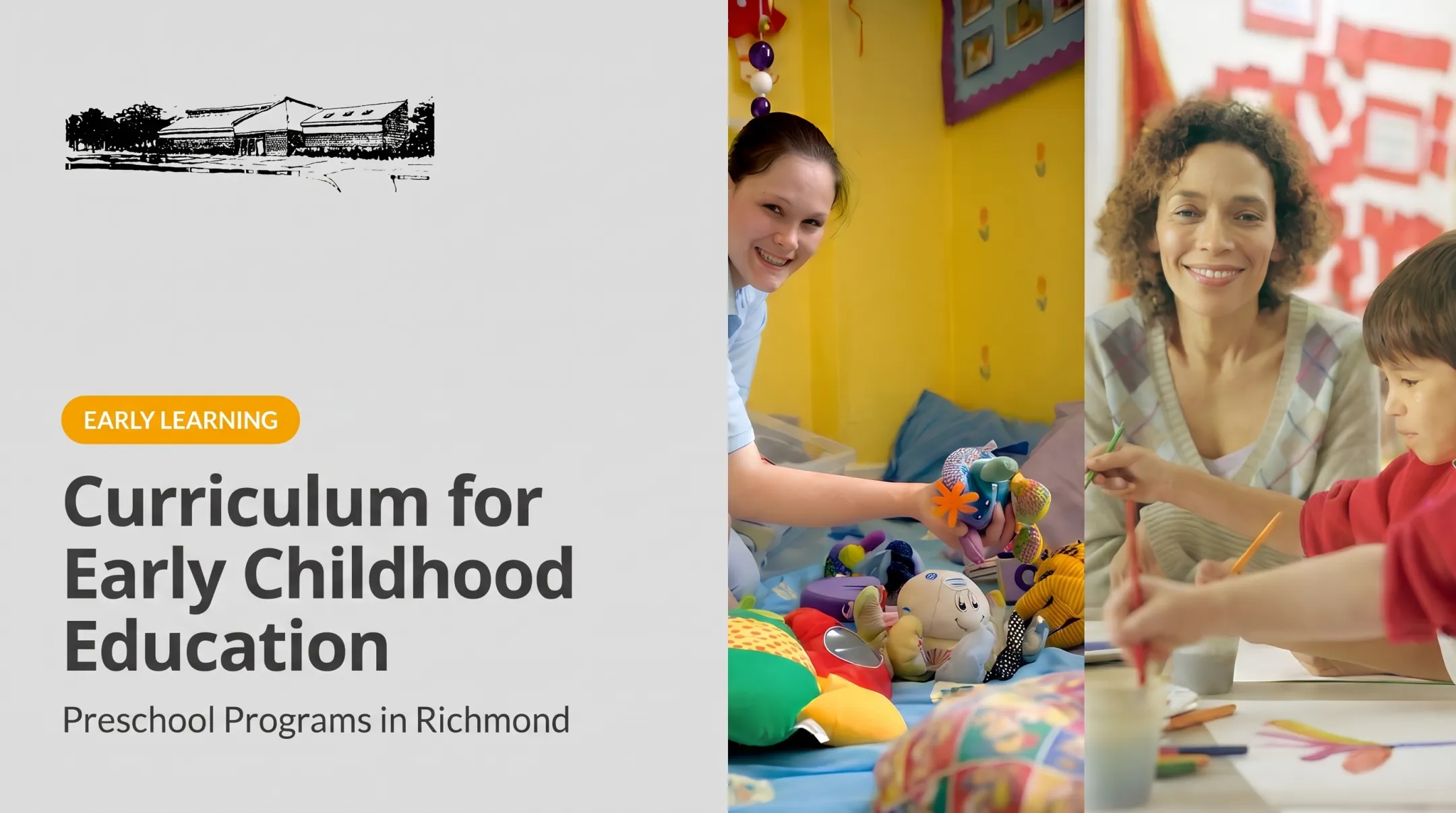
Open-ended materials do the heavy lifting: blocks, dramatic-play props, art supplies, books, sand and water, and outdoor equipment.
The American Academy of Pediatrics, in its clinical report, says play supports executive function, language, early math, social-emotional skills, motor development, and self-regulation. Adults can scaffold those skills during play.
Teachers make play intentional without taking it over. They:
- Ask open questions ("What do you notice?")
- Introduce new vocabulary in the moment
- Model a strategy, then step back
- Add materials that extend a child's interest
NAEYC's developmentally appropriate practice statement treats this balance as the goal. It is neither unplanned free play nor mostly teacher-directed instruction. It combines child choice, guided play, and some direct teaching.

At Starling Child Care, a dramatic-play center might become a doctor's office or fire station. Children take on roles such as nurse, patient, or firefighter, which builds creativity and abstract thinking.
Building skills across developmental domains
Language and literacy. Stories, songs, conversation, and writing materials build listening and speaking. Head Start guidance on literacy notes that preschoolers benefit when adults talk with them, read aloud, and invite them to share thoughts. Children also learn rhymes, syllables, and that print carries meaning.
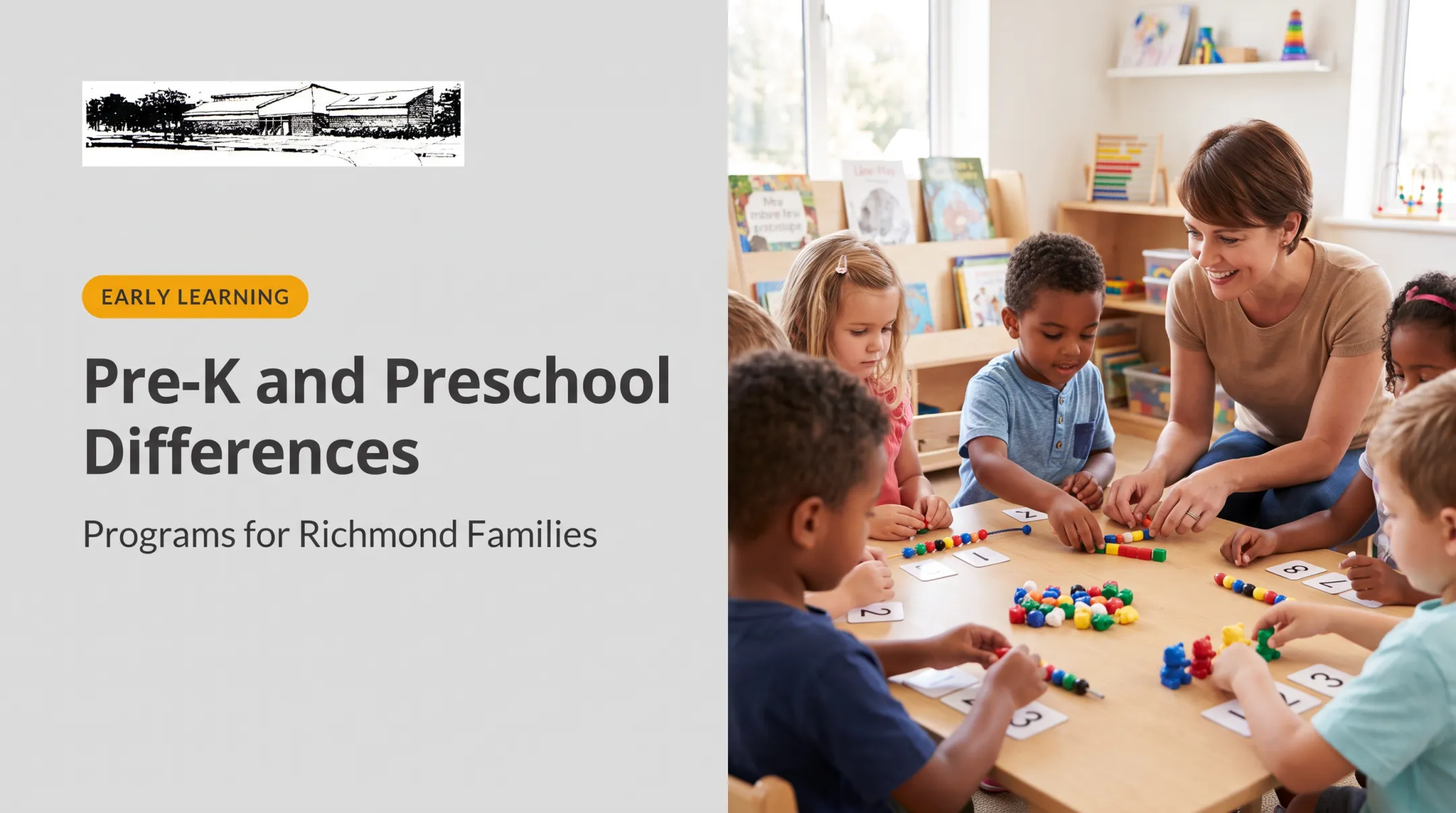
Math and science. Sorting, counting, comparing, measuring, patterning, and building introduce reasoning in real contexts. A sensory table with sand, water, and shells gives children something to observe, describe, and question.
Social-emotional and physical growth. Look for:
- Turn-taking and conflict resolution during shared play
- Friendships that form around joint projects
- Fine-motor practice with crayons, beads, and scissors
- Gross-motor movement outdoors (CDC guidance calls for ages 3–5 to stay active throughout the day)
- Growing independence with coats, hand washing, and cleanup
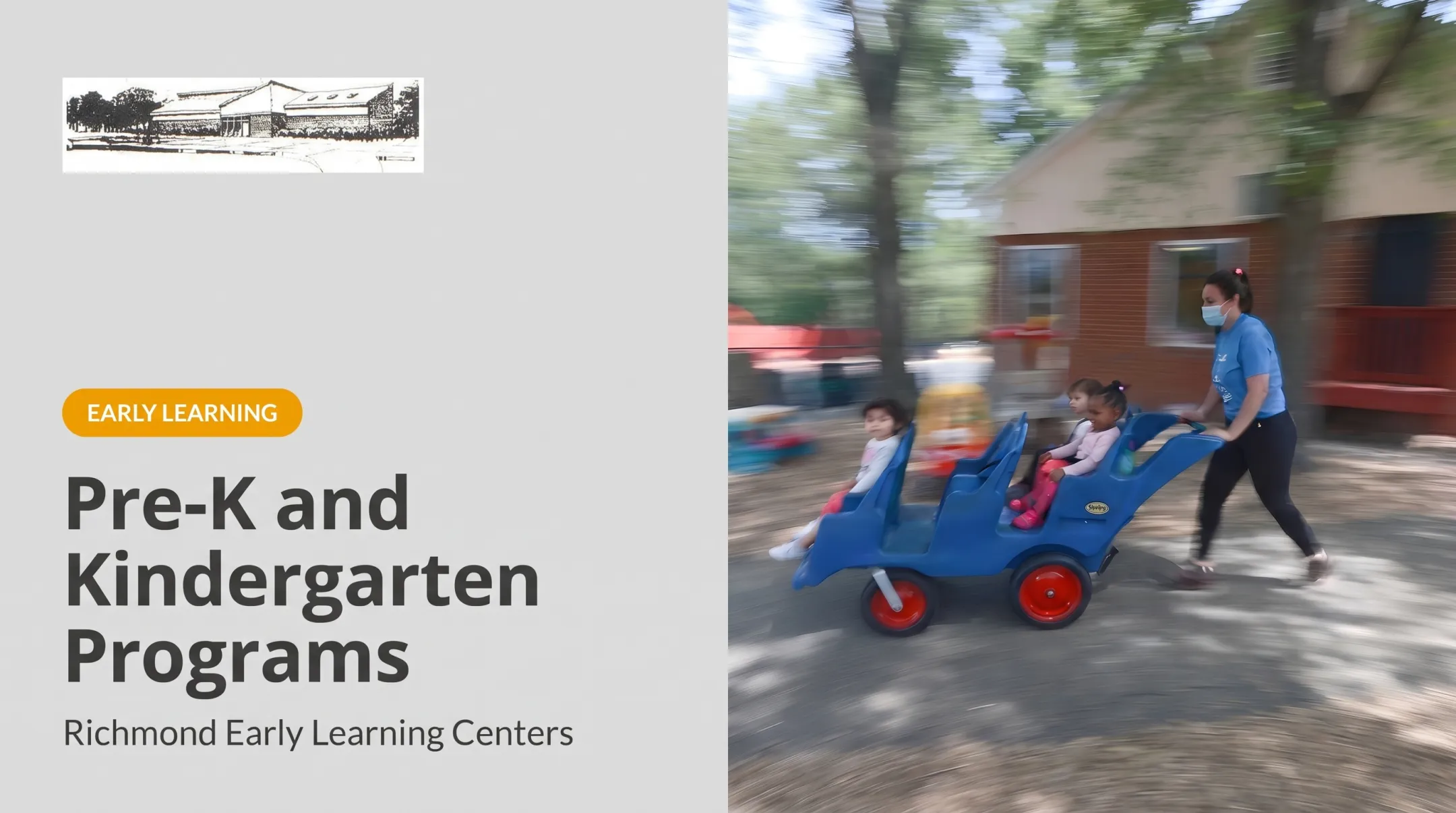
Starling's three age-appropriate outdoor spaces and Children's Garden offer climbing equipment, riding toys, dirt, pebbles, water, and plants for exactly this kind of movement and exploration.
How Do Educators Support Learning and Development?
Responsive relationships and intentional interactions
Warm teaching is specific. Educators learn each child's interests, respond respectfully, model language, acknowledge effort, set clear limits, and help children recover from frustration.
Here is what that looks like in a real moment. Two children both want the one red truck. The teacher kneels, names the problem ("You both want the truck"), and asks each child for an idea.
One suggests a timer. The teacher helps them set it, then notices when they follow through. Nobody was lectured, and the children practiced negotiation.
Observation tools reflect this focus. CLASS Pre-K, used in Head Start, scores Emotional Support, Classroom Organization, and Instructional Support.
Planning, observing, and adapting instruction
Teachers decide what to offer next by watching and documenting. They use conversations, work samples, photographs, and assessments. NAEYC's preschool guide says assessment informs teachers' choices of materials and experiences for each child.
Starling's teachers use anecdotal records and formal tools to track 38 development and learning objectives in its Building Blocks curriculum. That curriculum combines The Creative Curriculum, the Monthly Mother Goose Activity Kit, and Virginia's Foundation Blocks for Early Learning.

A balanced day includes:
- Teacher-guided activities and child choice
- Small-group work and whole-group time
- Predictable routines and quiet time
- Outdoor exploration
- Long stretches for deeper investigation
Strong programs also adjust materials, pacing, grouping, and expectations for children with disabilities, home languages, and different family cultures.
Starling, for example, labels objects in a child's other language, offers some instruction in it, and provides interpreters for conferences. It also uses annual Family Surveys to shape themes.
Family partnership and professional quality
Good programs share progress and ask what families see at home. Starling holds conferences twice a year with a written progress report, and welcomes parents through email, phone, feedback, and volunteering.
Teacher preparation matters too. Head Start rules require at least 15 clock hours of professional development a year and research-based coaching. Those are Head Start requirements, not a universal rule for all preschools.
NAEYC's professional standards also name coaching and mentoring as development approaches, so ask any program what ongoing training its teachers receive.
What Should Families Look For When Choosing a Preschool?
Observable signs of quality during a visit
On a tour, watch the children first. Are they engaged? Then look for:
- Varied materials children can reach on their own
- Routines that are clear but flexible
- Teachers who join play and hold real conversations
- Time for movement and outdoor play
- Children making choices
A good classroom may look busy and a little messy. It can still be organized, inclusive, safe, and emotionally supportive. Starling's setup standards, for instance, require every learning area to be labeled, tidy, and well equipped.
Questions to ask before enrolling
- How do you define school readiness?
- How does play connect to learning goals?
- How do you document progress and share it?
- How do you handle challenging behavior?
- What are teacher qualifications, training, and turnover?
- What are group sizes and supervision practices?
- How much outdoor time do children get?
- How do you support children with disabilities and dual language learners?
- What are your emergency procedures, CPR and first-aid training, and drills?
NAEYC's 2025 best-practice benchmark for ages 30 months to 5 years is one teacher per 10 children, with a maximum class size of 20. That is an accreditation benchmark, not Virginia law.

No reliable numeric cutoff exists for staff turnover, so ask for specifics and listen to how leaders answer.
In Virginia, families can search a facility's license status, inspection dates, violations, and correction plans through the state's Child Care VA tool.
Distinguishing meaningful quality from warning signs
Be cautious if you see:
- Worksheets or flashcards dominating the day
- One-right-answer activities and little child choice
- Teachers who rarely engage or extend learning
- Punitive responses to behavior
- Disorganized spaces
- Communication only when there is a problem
Compare external credentials with what you see. Starling Child Care, for example, has held NAEYC accreditation since 2007 and is licensed by Virginia. Its classrooms have learning centers for reading, writing, art, science, math, blocks, and sensory play.
Confirm current accreditation status directly with any program, then check whether daily practice matches.
What Frameworks and Quality Standards Guide Preschool Programs?
Each tool tells families something different, and none tells them everything.
| Tool | What it tells you | What it doesn't |
|---|---|---|
| State licensing | Legal authorization, inspection and compliance records | Curriculum quality or accreditation |
| NAEYC accreditation | Quality across standards such as relationships, curriculum, teaching, assessment, health, and families | How consistent practice is on a given day |
| Curriculum | Planned learning goals and activities | Licensing or accreditation |
| Head Start Early Learning Outcomes Framework (ELOF) | Five learning domains guiding planning | It is not a curriculum |
| State early learning standards | Developmental expectations (Virginia's cover five areas, birth to five) | A named classroom curriculum |
| Program philosophy | The program's chosen approach | Any external quality result |
NAEYC's 2019 accreditation overview lists 10 standards, while its 2025 program standards describe nine dimensions. Check which version a program cites. Virginia also runs VQB5, its quality rating and improvement system, which uses CLASS (Classroom Assessment Scoring System) observations to measure and improve program quality.
Frameworks give structure. Families still need to judge how well educators apply them through relationships, assessment, inclusion, safety, and family engagement.

Conclusion: Look for Intentional, Whole-Child Learning
Learning in a strong preschool often looks like play, conversation, movement, art, routines, and problem-solving with friends. Intentional programs connect those everyday moments to social, emotional, physical, and cognitive growth.
Once you know what quality looks like, tour more than one program. Watch the interactions, ask specific questions, and review credentials. Starling's enrollment interview includes a center tour and, when possible, a brief classroom visit. Pick the place where your child will feel secure, included, curious, and increasingly independent.
Before You Compare Tuition: the Virginia Preschool Initiative (VPI)
A funded seat changes what you are actually comparing. The Virginia Preschool Initiative (VPI) is Virginia's state-funded preschool program for eligible four-year-olds, offered at no cost to households that qualify. Income at or below 200% of the federal poverty level is a common threshold, weighed alongside other factors, and eligibility is confirmed with documentation rather than assumed. VPI generally runs on the school-year calendar, so holiday and summer coverage is planned and paid for separately. Starling Child Care serves Henrico County and the Richmond area and offers the Henrico County Preschool Program for children who are three or four as of September 30. Ask the enrollment team which route applies before you shortlist on price alone.
Frequently Asked Questions
What makes a high quality early childhood program?
Responsive educators, developmentally appropriate curriculum, purposeful play, safe spaces, ongoing observation, inclusion, and strong family partnerships. Together they support the whole child.
What is the best preschool program?
No single program fits every child. Weigh your child's needs, teacher relationships, daily experiences, schedule, values, and quality indicators.
What is the best approach for early childhood education?
Developmentally appropriate, play-based, relationship-centered learning generally serves children better than a rigid label or an academics-only focus. A 2024 National Academies report notes that curricula vary widely and should respond to children's cultures, languages, and strengths.
What frameworks or quality standards guide high-quality early childhood programs?
State licensing sets the legal baseline. NAEYC standards and developmentally appropriate practice guidance, Head Start's Early Learning Outcomes Framework, and state early learning standards shape quality.
What should parents look for during a preschool tour?
Engaged children, warm interactions, reachable materials, balanced routines, outdoor play, qualified staff, clear safety practices, family communication, and evidence of inclusion.
How does play-based learning prepare children for kindergarten?
Purposeful play builds language, self-regulation, cooperation, motor skills, early literacy and math, persistence, and independence. These are readiness skills, though no single method guarantees a particular outcome.