Pre-K and kindergarten share a focus on the whole child. They usually differ in age range, eligibility, daily structure, and what schools expect children to do independently.
This guide compares the two, explains what children learn, covers readiness, and gives you questions to ask before you enroll. Examples draw on Virginia rules and Richmond-area options, since policies vary widely by state.
Key Takeaways
- Pre-K comes before kindergarten, but cutoffs and requirements vary by state, district, and provider.
- Kindergarten is more formal, yet still built on play, relationships, and movement.
- Strong programs balance early literacy and math with communication, self-help, and social skills.
- Compare licensing, accreditation, schedules, safety practices, and fit before you commit.
What Are Pre-K and Kindergarten Programs?
What pre-K generally means
Pre-K is an early-learning program offered before kindergarten. Childcare.gov describes it as serving children ages 3 to 5, while federal education data typically describes ages 3 to 4. Local rules and providers set the real range.
Children build language, early literacy, number sense, motor skills, and self-help skills. They do it through play, small-group activities, and classroom routines.
What kindergarten generally means
Kindergarten is usually the first formal year of elementary school, starting around age 5. Children spend longer in groups, follow classroom expectations, begin more structured academics, and join a bigger school community.
Program formats families may encounter
- Public-school pre-K, often part-day or school-year, sometimes free or low-cost for eligible families
- Private early-learning centers, with their own schedules and tuition
- Child care-based pre-K, which often includes extended hours
- Kindergarten programs run by public or private schools
In Henrico County, for example, the public Early Learning Preschool is full-day, follows the school calendar, and charges families no program fee. Private center tuition varies, so ask each provider directly.
Why the transition matters
Developmentally appropriate early education supports communication, confidence, friendships, and learning habits that carry into kindergarten. It is not a guarantee. One large randomized lottery study found preschool boosted college enrollment by 8.3 percentage points, yet another randomized study saw early test-score gains fade by third grade. Program quality and the child's circumstances matter.
Similar terms
- Preschool: Early education before kindergarten, often ages 2 to 4.
- Pre-K: The year or two just before kindergarten.
- Nursery school: An older term for preschool.
- Kindergarten prep: A program, or part of one, that focuses on kindergarten skills.
Providers use these labels differently, so ask what a program actually offers.
Pre-K vs. Kindergarten: Key Differences and Similarities
Ages, eligibility, and enrollment timing
Pre-K typically serves ages 3 to 4, and kindergarten starts around age 5. Cutoffs differ by state. Virginia requires age 5 on or before September 30, and some states set theirs as late as mid-October, according to the Education Commission of the States.
Residency rules, screening, documents, and available seats also vary. Check current dates with your local school district or provider rather than relying on a national rule.
Learning goals and curriculum emphasis
Pre-K centers on foundational development, routines, communication, and learning through play. Kindergarten builds toward more structured literacy, writing, math, inquiry, and group learning. The difference is emphasis and progression, not a hard line. Both should adapt to each child.

Classroom structure and independence
Kindergarten usually has more predictable schedules, group instruction, and independent work. Pre-K offers more flexibility and guided exploration.
Age-appropriate independence looks like:
- Following multi-step directions
- Managing coats, lunch containers, and other belongings
- Telling an adult what they need
- Helping clean up
- Moving through transitions with the group
These are examples, not admission tests.
What both programs share
Good pre-K and kindergarten classrooms share many of the same foundations:
- Caring teachers and hands-on learning
- Stories, music, art, and movement
- Outdoor time and peer interaction
- Support with big feelings
How parents should interpret the difference
Age alone shouldn't decide placement. Weigh factors such as:
- Developmental readiness
- Prior group-care experience
- Communication and confidence
- Support needs
Ask whether the program offers a gradual transition and individual support instead of a rigid "ready" or "not ready" label.
What Children Learn in Quality Programs
Language, communication, and early literacy
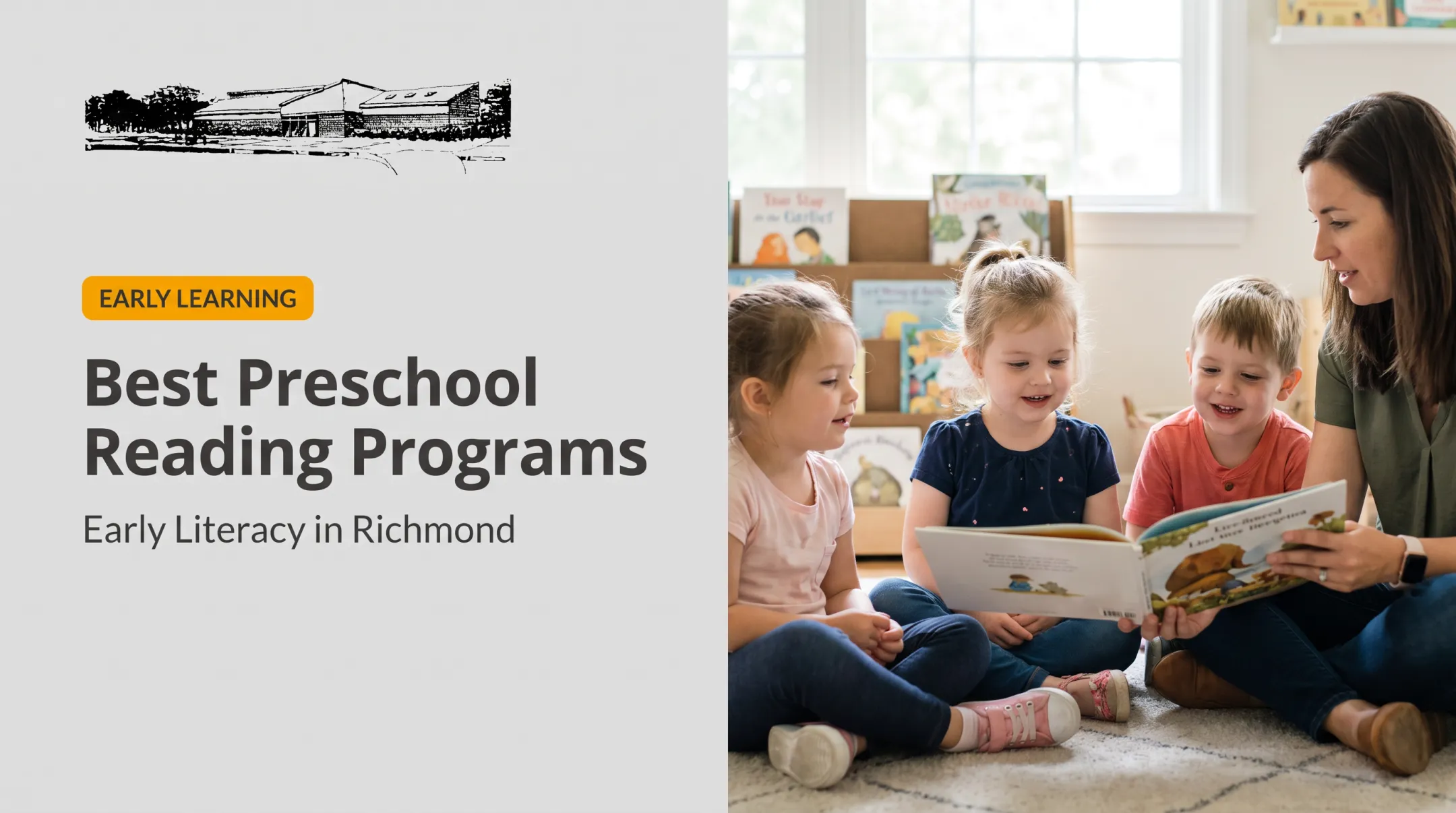
Literacy should come through meaningful interaction. Expect experiences such as:
- Read-alouds, conversation, and vocabulary building
- Storytelling, rhyming, and sound games
- Noticing print, drawing, and name writing
NAEYC guidance supports read-alouds and explicit teaching of sound-letter relationships. Research does not require worksheets or drills.
Early math, science, and problem-solving
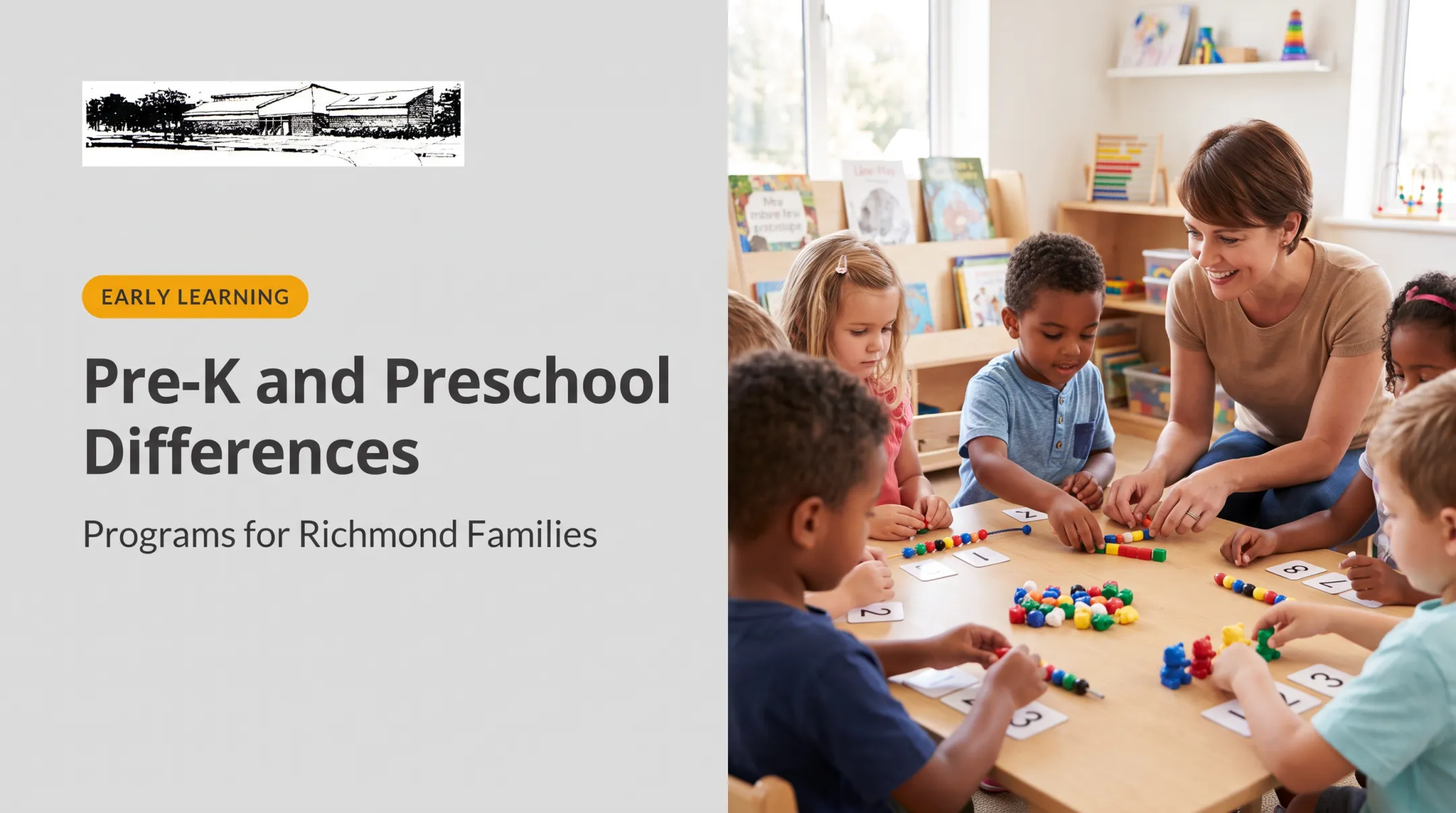
Children count, sort, make patterns, compare sizes, and explore shapes. They also observe, predict, and test ideas.
A concrete example: at a sensory table with water, cups, and sand, a child predicts which container holds more, pours, and checks. That's measurement and scientific thinking at once.
Social-emotional learning
Teachers help children name emotions, calm down, take turns, solve conflicts, make friends, and ask for help.
Those skills carry straight into kindergarten. Children need to listen in a group, cope with transitions, keep trying at hard tasks, and respect classmates.
Physical, creative, and self-help development
- Fine-motor work such as cutting, drawing, and stringing beads
- Gross-motor and outdoor play
- Art, music, dramatic play, and sensory exploration
- Dressing, toileting, eating, and handwashing
These count as school readiness because they build confidence, coordination, and independence. CDC milestones give a sense of the range: at age 3, many children use a fork; at 4, they pour water with supervision; at 5, they tell a story with at least two events and follow game rules.
What a typical learning day may look like
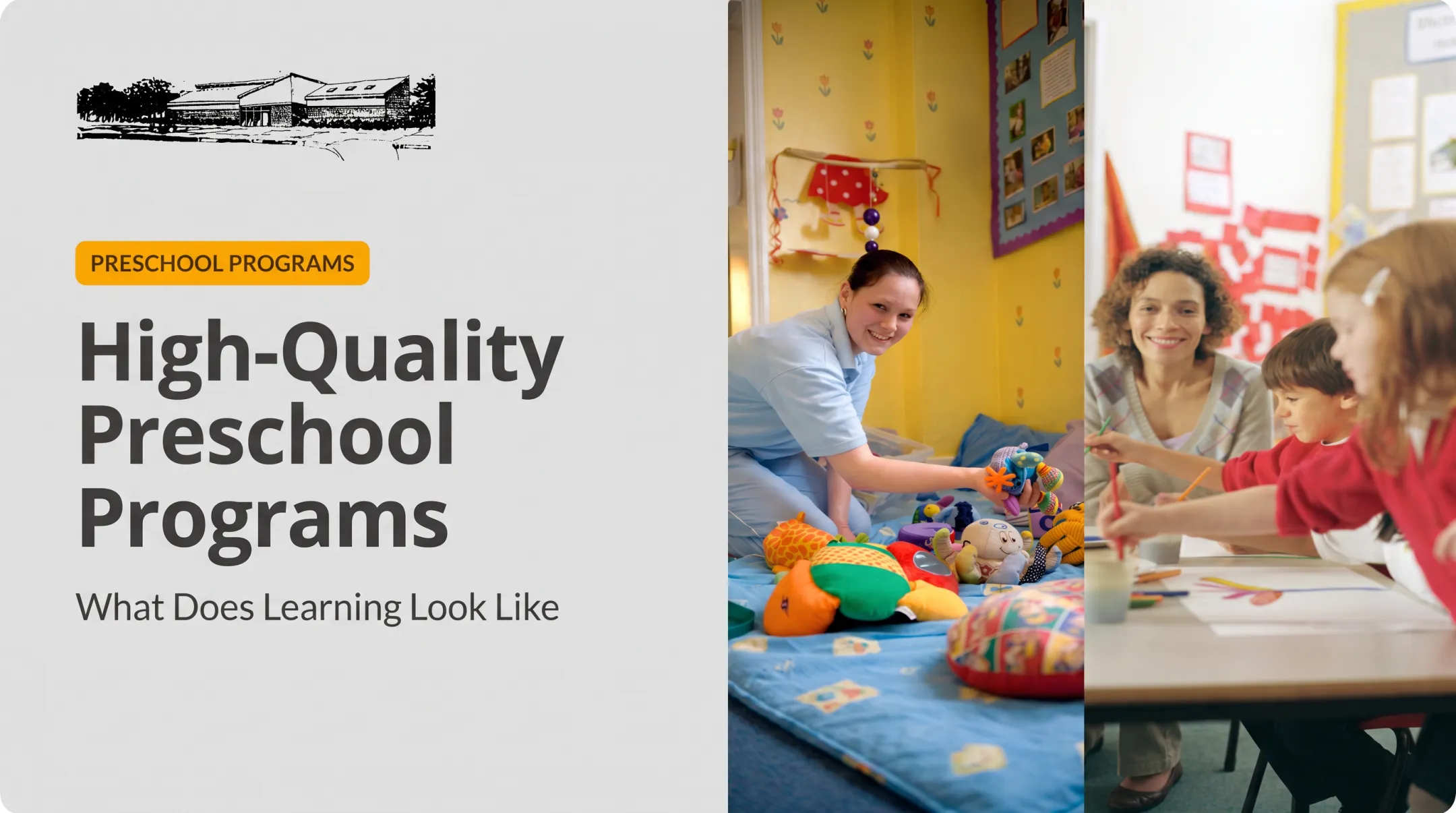
A balanced day often includes:
- Arrival routines that ease children into the day
- Choice-based learning centers for independent exploration
- Teacher-guided small groups for focused skill work
- Meals and snacks
- Rest or quiet time
- Outdoor play
- Creative activities and group time

Starling Child Care in Henrico offers one local example. Classrooms include learning centers for reading, writing, art, science, math, dramatic play, blocks, and sensory play, plus a large-group area for stories, music, and creative movement.
The center also has three age-appropriate outdoor spaces and a Children's Garden. Its Building Blocks curriculum combines the Creative Curriculum, a monthly activity kit, and Virginia's Foundation Blocks for Early Learning.
How to Choose and Prepare for a Pre-K or Kindergarten Program
Look for readiness rather than a rigid checklist
Signs to watch for:
- Showing curiosity about people and things
- Communicating basic needs
- Joining a short group activity
- Separating from caregivers with support
- Trying self-help tasks
- Recovering from small frustrations
In Virginia, readiness involves children, families, schools, and communities working together. A state toolkit notes there is no universal definition. Children develop at different rates, so a conversation with a teacher beats comparing your child with peers.

Match the program to family logistics
Compare:
- Operating hours and full-day versus part-day schedules
- Calendar breaks
- Meals and snacks
- Transportation and extended care
- Tuition and financial assistance
- Location
Working families should also ask about late pickups, absences, medication, allergies, and changes to authorized pickup. In Virginia, the Child Care Subsidy Program can pay part of costs for eligible families, and some localities keep waitlists.
Prepare at home without academic pressure
- Practice putting away belongings, washing hands, using the toilet, and opening containers
- Rehearse following directions and asking adults for help
- Read together and talk about the school day
- Visit the setting and try short separations
- Let your child pick a comfort item or supplies
A gradual start helps too. Starling suggests one hour on day one, two hours on day two, then a half day.
Evaluating Quality and Understanding Enrollment
Check credentials, safety, and teaching quality
Verify:
- Current state license and inspection reports (Virginia's child care search lists both)
- Accreditation, if claimed
- Staff qualifications and background checks
- Group size and adult-child ratios
- Emergency, sanitation, and supervision policies
- Approach to behavior guidance
Ratios differ by rule. Virginia's licensed-center rule allows 1:10 for ages 3 up to school age, with a group maximum of 30. Childcare.gov recommends tighter numbers, such as 1 adult to 7 three-year-olds.

NAEYC accreditation has tiers, with Accreditation and Accreditation+ lasting 5 years. These are useful signals, but weigh them against what you see in the classroom.
Ask focused questions during a tour
- What does the daily schedule look like, including outdoor time and rest?
- How is the curriculum chosen, and how is progress assessed?
- How do teachers communicate with families?
- How does the program support the move into kindergarten?
- What support exists for developmental, medical, language, or sensory needs?
Then watch. Do teachers speak respectfully, respond to emotions, invite exploration, and keep the room calm and organized? Child Care Aware's checklist is a handy companion.
Plan the enrollment process
Confirm age cutoffs, application windows, waitlists, and start dates. Gather proof of age or residency, immunization records, and a physical exam. Virginia centers require immunization documentation before attendance. Ask about tuition, assistance, screening, and orientation.
For Richmond-area families, Starling Child Care holds a Commonwealth of Virginia child care license and NAEYC accreditation. Its Henrico County Preschool serves children who are 3 or 4 as of September 30, with income-based financial assistance. Hours run weekdays until 6:30 p.m.
Confirm current pre-K or kindergarten openings and accreditation status at enrollment@starlingchildcare.com or (804) 346-2000.
What the Virginia Preschool Initiative (VPI) Covers
It is worth knowing what the Commonwealth already funds. The Virginia Preschool Initiative (VPI) provides state-funded preschool to eligible four-year-olds, and a VPI seat costs qualifying families nothing. Eligibility commonly considers household income at or below 200% of the federal poverty level and is established through documentation. Because VPI follows the school-year calendar, families who need year-round coverage usually add camp or extended care around it. In Henrico County, Starling Child Care runs the Henrico County Preschool Program, with classrooms built on the Virginia Department of Education's Foundation Blocks for Early Learning. Ask whether VPI, Mixed Delivery, or a Department of Social Services (DSS) subsidy fits your household.
Frequently Asked Questions
Is there a difference between pre-K and kindergarten?
Yes. Pre-K comes first and focuses on foundational development. Kindergarten usually adds more formal routines and learning expectations. Definitions vary by location.
What ages are pre-K and kindergarten for?
Pre-K serves children in the years before kindergarten, and kindergarten commonly begins around age 5. State and district cutoff dates decide eligibility.
What do children learn in a pre-K and kindergarten program?
They build language, early literacy, math, science, social-emotional skills, physical coordination, creativity, and self-help skills. Much of it comes through play and classroom routines.
Is pre-K required before kindergarten?
Generally no. Virginia's entry rule, for example, is based on age and documents, not prior pre-K. Confirm local attendance rules and consider your child's needs.
How can parents tell whether a program is high quality?
Check licensing, accreditation, responsive teachers, sensible group sizes, safety, outdoor play, and family communication. Then visit and see how children and teachers interact.