
Introduction
Four-year-olds ask "why" all day, copy everything you do, and can turn a cardboard box into a spaceship. That energy makes this a good age to try new things without any pressure to excel.
Preschool extracurriculars are playful classes, clubs, lessons, or group experiences that happen outside or alongside the regular preschool routine. Many parents struggle with which options fit a four-year-old’s attention span without packing the week too full.
Below are 10 ideas, plus guidance on choosing one and helping your child enjoy it. Rest and free play still matter more than any class schedule.
Key Takeaways
- Pick activities that match your child's interests and temperament, not adult expectations.
- Favor play-based programs over competition or performance.
- Start with one activity and protect free play, sleep, and family time.
- Ask about supervision, instructor experience, safety, costs, and trial classes before enrolling.
Why Extracurricular Activities Can Benefit 4-Year-Olds
Whole-child development
Age-appropriate activities build gross and fine motor skills, language, emotional expression, and early problem-solving. The American Academy of Pediatrics' 2018 clinical report notes that make-believe supports sophisticated language. Adult-guided play also gives children chances to share, negotiate, and make decisions. These gains come from play itself, at home or in a simple group setting.
Social skills and confidence
Small groups give kids practice at listening, taking turns, following simple directions, and handling mistakes. Keep expectations light. Joining a circle and sitting through a song counts as a win.
Exploration before specialization
Your four-year-old does not need a lifelong specialty. The goal is to sample and see what feels engaging and comfortable.
The value of balance
Structured activities should complement free play, family connection, and quiet time. Children ages 3 to 5 need 10 to 13 hours of sleep per 24 hours, including naps, according to the AASM advisory.

Signs your child may be overscheduled:
- Little downtime in the week
- Tiredness or grumpiness
- Withdrawal or lost interest in things they usually enjoy
- Frustration or anxiety before activities
10 Extracurricular Activities for 4-Year-Olds
1. Music and movement
Singing, rhythm games, dancing, shakers, and drums encourage listening, coordination, language, and memory. Choose a playful group class over formal instrument lessons. One preschool trial of a rhythm-and-movement program (16 sessions over eight weeks) reported better self-regulation, but that result belongs to that specific program, not every music class.
2. Dance or creative movement
Beginner dance builds balance, body awareness, and confidence. Look for classes that invite imaginative movement ("move like a windy leaf") and don't demand technique or recitals.
3. Swimming and water-safety lessons
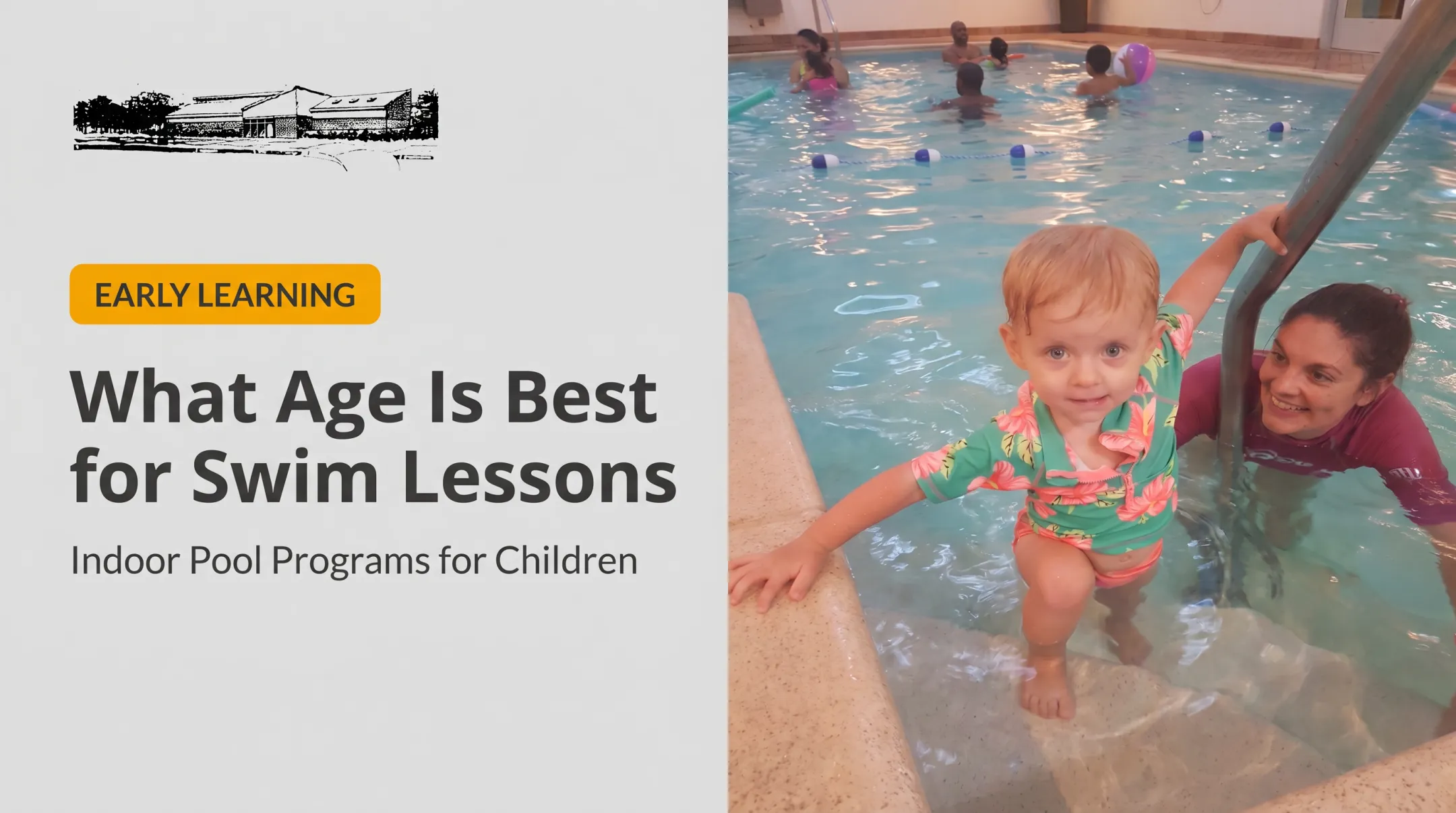
Drowning is the leading cause of death for U.S. children ages 1 to 4, and AAP guidance says most children are ready for lessons by their fourth birthday. Lessons build comfort in water, but they never make a child drown-proof.
- Keep an adult within arm's reach at all times
- Confirm instructors are certified (Red Cross Water Safety Instructor, for example)
- Choose small classes with age-appropriate teaching
4. Gymnastics and preschool tumbling
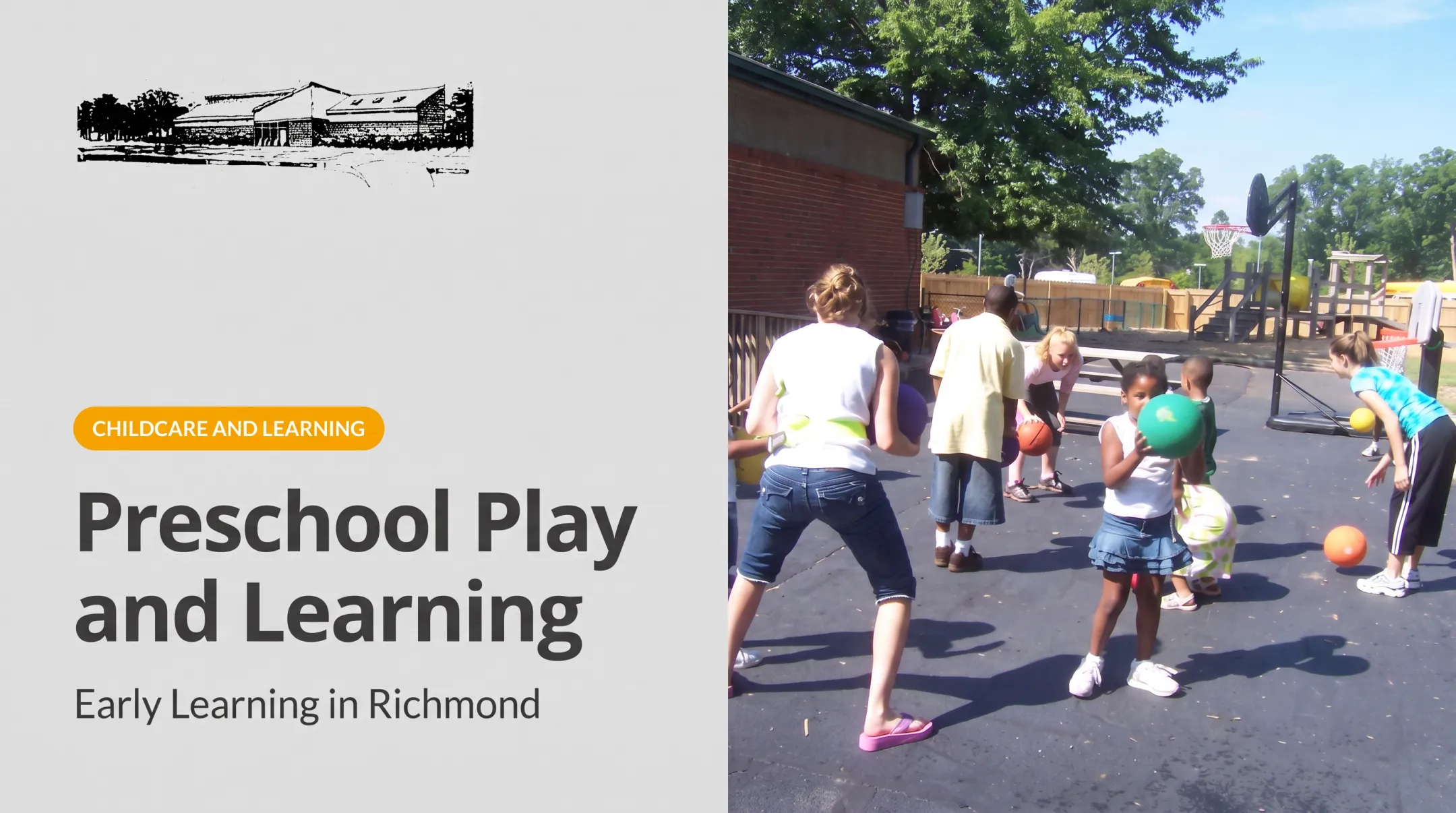
Soft tumbling, balance beams, crawling, jumping, and obstacle courses develop strength, coordination, and spatial awareness. Look for padded spaces, checked equipment, and instructors who can see every child. Nobody should push a preschooler toward advanced moves.
5. Soccer or T-ball
Little League admits children to Tee Ball at age 4, but eligibility isn't readiness. The AAP says most children under 6 lack the motor skills for organized sports and advises avoiding competition. Choose short, inclusive sessions built around kicking, throwing, running, and fun, with no scoreboard.
6. Visual arts and crafts
Drawing, painting, collage, clay, and play dough support fine motor control and creative decision-making. Choose process-focused classes where there's no "right" finished product. Check that materials are made for children; "non-toxic" labels don't make a product safe for every use.
7. Nature exploration and gardening
Nature walks, seed planting, and sensory observation build vocabulary, curiosity, and responsibility. Safety basics:
- Adults identify plants first; never let kids taste them
- Dress for weather, insects, and sun
- Keep water play supervised
8. Storytelling, puppetry, or drama
Story circles and puppet play encourage language and imagination. Pick programs that invite participation without memorized lines, solo performances, or forced public speaking. One 2018 study of 4- and 5-year-olds found no measurable extra benefit from a theater program, so enjoy it for fun rather than expected gains.
9. Cooking and food exploration
Mixing, measuring, decorating, and assembling no-cook snacks teach sequencing and independence. Confirm the allergy policy, and stay close around heat and sharp tools. Some foods, such as whole grapes, remain choking hazards at age 4, and raw dough or flour should stay off the menu.
10. Building, puzzles, and early STEM
Blocks, magnetic tiles, sorting, puzzles, and simple experiments build persistence and reasoning. A 2020 preschool study linked more complex block building with some shape skills, though it shows association, not proof. Choose hands-on programs over screen-heavy ones.

How to Choose the Right Extracurricular Activity for Your 4-Year-Old
Match the activity to interests and temperament
Watch what your child picks during play: music, animals, drawing, building, or outdoor exploring. Notice whether they thrive in lively groups or prefer small settings and watching first.
Check developmental readiness
Ask the instructor what skills are expected. Common expectations include:
- Following simple directions
- Separating from a caregiver
- Communicating bathroom needs
- Handling transitions
Try before committing
Use trial classes, open houses, library storytimes, or park programs when available. Afterward, ask: did my child seem engaged, comfortable, curious, and appropriately challenged?
Evaluate safety, supervision, and inclusion
Ask about:
- Instructor training and CPR/first-aid certification
- Group size and adult-to-child ratio
- Background checks, emergency procedures, and equipment
- Allergy policies and accommodations
- Break options when a child needs space or does not want to join
For reference, Caring for Our Children recommends no more than 1 adult for 8 four-year-olds. Virginia's licensing ratio for most child-day centers is 1:10.

Consider time, cost, and logistics
Compare travel time, class length, equipment, fees, and cancellation policies. Libraries, parks, community centers, and seasonal programs often cost less. Henrico County, for example, has run free library storytimes and summer arts and crafts.
Consider preschool-based enrichment
If you need care and enrichment in one place, ask whether a preschool offers outdoor play, nature exploration, creative movement, swimming, and group activities. Starling Child Care in Henrico, Virginia, is Virginia-licensed and describes NAEYC accreditation. The center includes an indoor pool, a Children's Garden, weekly music, and Kids Kitchen. Call (804) 346-2000 to verify current offerings.
How to Help Your Child Enjoy the Activity
Prepare for the first session
- Visit the location beforehand
- Explain what will happen in simple words
- Bring a comfort item if allowed
- Let your child watch first if the instructor allows
Short, consistent goodbye rituals help with separation. Child Mind Institute suggests observing first, then moving closer and joining gradually.
Encourage without pressuring
Praise effort, curiosity, kindness, and persistence rather than talent. NAEYC guidance favors comments on problem-solving over "You're so smart." If your child consistently dislikes an activity, let it go.
Watch for positive and negative signals
Good signs:
- Enthusiasm and relaxed chatter about class
- Pretend play based on the activity
- Asking to go back
Pause or adjust if you see:
- Repeated distress or exhaustion
- Stomachaches or other physical complaints
- Disrupted sleep
- Loss of interest in other play
Does the Virginia Preschool Initiative (VPI) Apply to Your Family?
Check this before assuming preschool is a private cost. The Virginia Preschool Initiative (VPI) is Virginia's state-funded preschool program for eligible four-year-olds, free to households that qualify. Income at or below 200% of the federal poverty level is a common threshold, though districts weigh other circumstances too, and documentation is reviewed as part of the process. A VPI seat runs on the school-year calendar, so breaks and summer stay separate line items. Starling Child Care serves Henrico County and the Richmond area and offers the Henrico County Preschool Program for children aged three or four as of September 30. Ask the team which pathway applies and what to bring to an application.
Frequently Asked Questions
What are some fun extracurricular activities for 4-year-olds?
Music and movement, dance, swimming, gymnastics, beginner soccer or T-ball, art, nature exploration, storytelling, cooking, and building activities all suit this age when kept playful.
What are some examples of extracurricular activities for kids?
Examples include sports, creative arts, music, drama, swimming, nature programs, cooking, STEM, and community programs. The right pick depends on your child's age and readiness.
How many extracurricular activities should a 4-year-old do?
There's no universal number. Start with one manageable activity and protect free play, rest, family time, and your child's energy.
How do I know if an activity is age-appropriate for my 4-year-old?
Look for play-based teaching, short and flexible sessions, child-sized equipment, supportive supervision, realistic expectations, and room for breaks.
Should a 4-year-old join organized sports?
Beginner sports can work if they emphasize movement, turn-taking, and fun rather than competition, rankings, or advanced skills.
How can I choose an extracurricular activity for a shy 4-year-old?
Try small, low-pressure programs with a trial visit. Reassure your child, let them observe first, and allow gradual participation without forcing a performance.