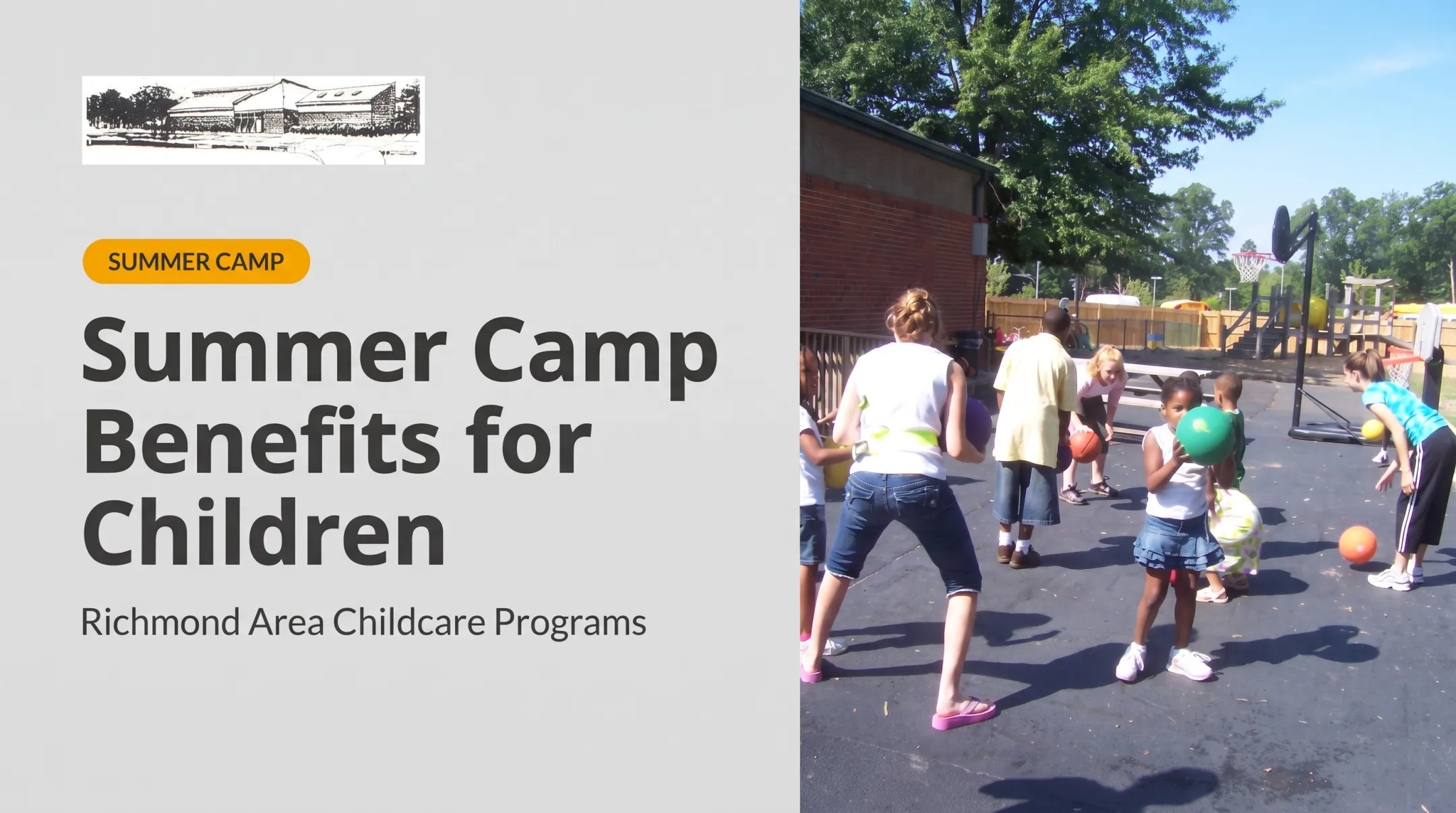
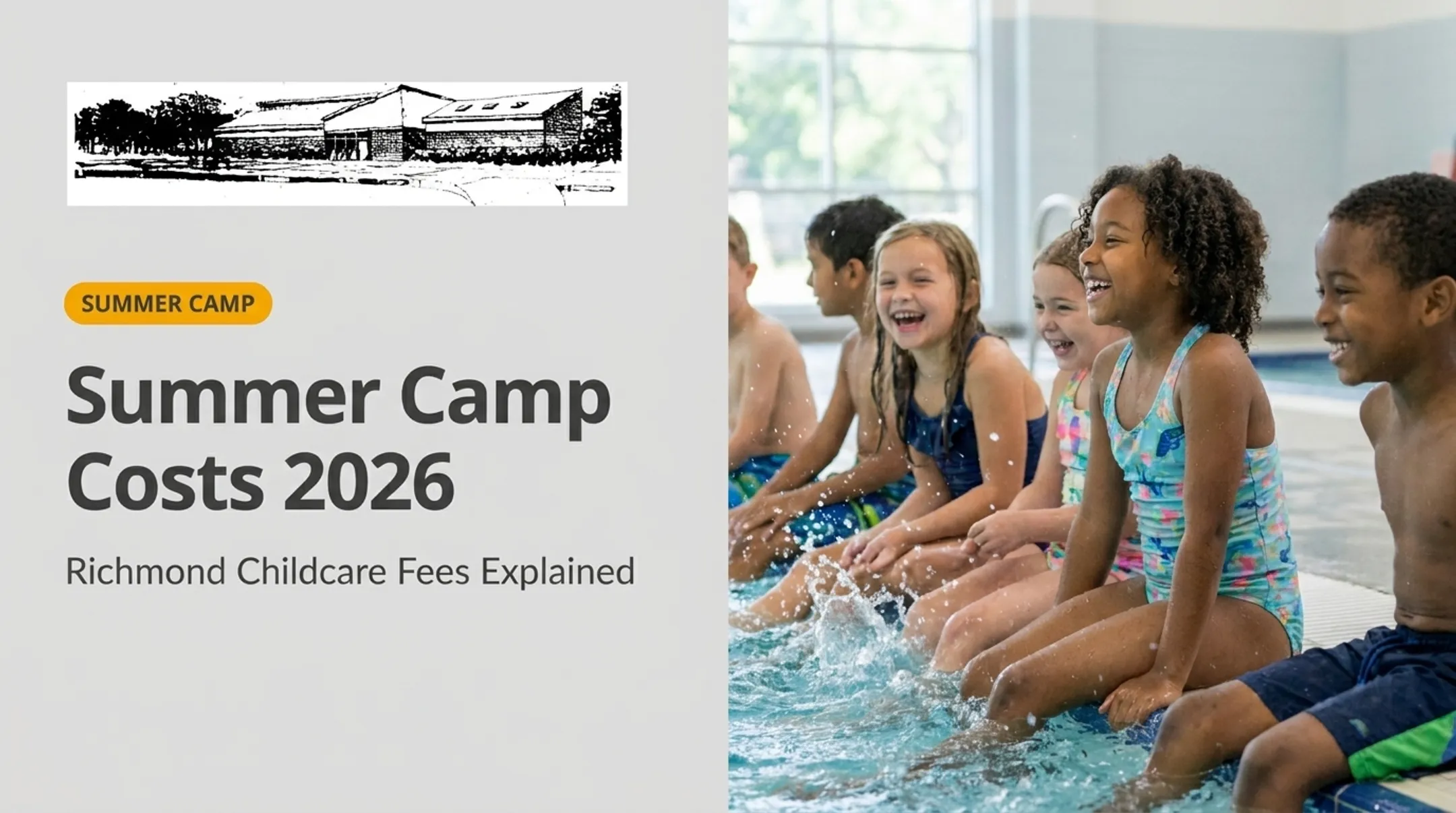
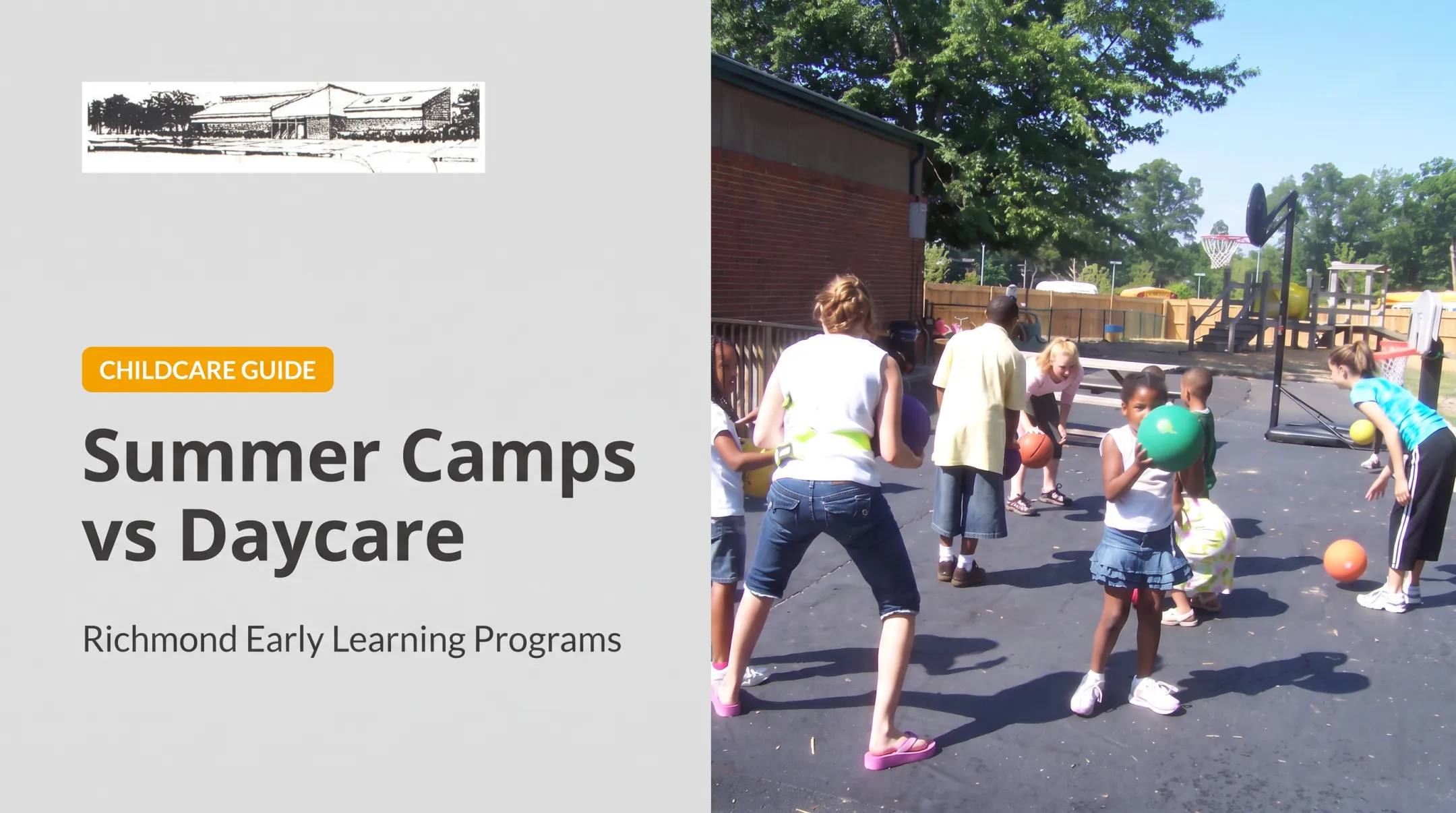
Pick a program before your child is ready and you invite avoidable stress: tears at drop-off, refusal to join in, a sour first impression. Pick well and camp builds confidence, friendships, independence, and a summer of learning that doesn't feel like school.
This guide covers how to read your child's readiness, which age ranges suit which camp types, and how to choose a program that fits.
Key Takeaways
- Readiness, program type, and your child's interest matter more than a birthday.
- Preschoolers do best in short, play-based sessions; older kids can handle longer days or overnight camp.
- Look for routines, basic self-care, group participation, and calm short separations.
- Check supervision, staff training, safety procedures, and age groupings before enrolling.
Why Readiness Matters for Summer Camp
A ready child joins in, makes friends, follows the day's rhythm, and enjoys new things. A child who isn't ready gets overwhelmed, and everything feels harder.
Social-Emotional Skills
Camp asks children to speak up, bounce back, and take direction from adults who aren't their parents. The CDC notes that by age 3, most children calm within 10 minutes after a parent leaves. By 5, kids typically follow rules and take turns in games.
Useful skills to watch for:
- Telling a counselor when something's wrong
- Recovering from disappointment, like losing a game
- Joining a group activity without a parent nearby
- Accepting help from a new adult
Independence and Self-Care
Daily logistics shape the experience more than parents expect. Check whether your child can handle the basics without you:
- Use the bathroom alone
- Eat lunch without help
- Keep track of a water bottle
- Accept sunscreen from a staff member
Kids who still need help with these may feel stressed or left out.
Safety and Fit
Timing also affects safety. Hours, group size, staffing, and activities should match your child's developmental stage. A three-year-old in a camp built for ten-year-olds is a mismatch no matter how good the camp is.
Best Age to Start Summer Camp Based on the Scenario
Children become ready at different ages, so consider both the child and the camp type. Age cutoffs alone mislead.
Early Childhood and Preschool-Age Day Camp
Younger children do best in nurturing, play-based programs. Look for:
- Short or flexible sessions
- Familiar routines with music, movement, and stories
- Sensory play and close adult support
Eligibility varies by program. A typical preschool-age camp accepts ages 3-5 for a half day, roughly 9 a.m. to 1 p.m., but requires children to be toilet-trained and able to separate easily. Always confirm the minimum age and toileting rules with Richmond and Henrico programs.
Elementary-Age Day Camp
Many children in the early elementary years are ready for full-day programs. These typically include:
- Outdoor play and nature exploration
- Swimming or water activities
- Creative projects and group games
- Age-appropriate learning
ACA's 2021 CampCounts survey found the largest share of day campers, on average 51%, were ages 6-9.
Overnight or Sleep-Away Camp
Overnight camp demands more than day camp. Kids need to sleep away from home, manage belongings, ask for help, follow safety rules, and cope with homesickness.
The American Academy of Pediatrics says most children are ready around 7-8, but there's no hard rule. American Camp Association guidance notes some are ready at 8 while others wait until 10 or older.

Don't treat any one age as universal. Independence and interest decide it.
Older Children, Preteens, and Teens
Can a child be too old for camp? Not really. Older campers benefit from specialty programs, leadership training, new skills, and more responsibility.
Teen options include recreational day camps for rising grades 9-12, counselor-in-training programs for ages 13-14, and science or adventure camps.
Signs the Timing Is Right
- Your child shows real curiosity or asks about camp
- Ordinary separations, like a grandparent's house, go fine
- They participate in group routines
- They can say when they're uncomfortable
- They follow simple safety directions
Nervousness isn't a red flag. ACA says it can coexist with readiness, as long as interest is present. Explore hesitation before deciding to push or cancel.
When Your Child May Not Be Ready for Camp
Some children need more time before camp feels manageable. Waiting, or taking a smaller step, makes sense if your child:
- Has intense distress during ordinary separations
- Can't communicate basic needs
- Can't take part in group routines
- Consistently refuses the program's activities
Program Red Flags
Sometimes the camp is the problem. Walk away if a program can't explain its:
- Supervision practices and staff qualifications
- Emergency procedures
- Water-safety rules
- Medication policies
- Accommodations for your child's needs
What a Mismatch Looks Like
A poor fit often shows up as:
- Increased anxiety or withdrawal
- Repeated requests to go home
- Trouble keeping up with routines
- A lasting negative view of camp
That's a fit problem, not a child problem.
Ways to Build Readiness
- Book a shorter session or half-day camp
- Start with a familiar provider
- Try a practice sleepover at a friend's house
- Consider family camp
- Wait a season, and keep talking about camp positively
ACA suggests day camp before overnight for children under 7. In one classic study of 316 boys at a two-week camp, Thurber's 1999 research found 18% reported moderate to high homesickness, and it eased with age and prior separation experience.

Treat that figure as illustration, not a national rate: the sample was one camp and boys only.
Best Practices for Choosing and Timing Summer Camp
Research Early and Compare
Compare these across programs:
- Minimum age and session length
- Daily schedule, transportation, and meals
- Outdoor and water activities
- Group sizes, staffing, and supervision
- Procedures for illness, emergencies, medications, and homesickness
Ask whether activities and expectations differ by age and ability. Choose by your child's interests and support needs, not convenience alone.
Check Credentials
Accreditation and licensing are different signals. American Camp Association (ACA) accreditation is a voluntary review of staff training, health, emergency preparedness, and safety. State licensing, where required, is mandatory.
Virginia's licensed child day centers must keep ratios such as 1:10 for 3-year-olds and 1:18 for school-age children up to 9. Some short-term or local-government programs are exempt.

A Local Example
Starling Child Care in Henrico serves Richmond-area families with a summer day camp for preschool through sixth grade. It holds a Virginia child care license and received NAEYC accreditation in 2007.
Its program runs academic classes from 9 a.m. to noon, then swimming in an indoor heated pool, athletics, gardening, and field trips. Confirm current ages, offerings, and availability with any provider before enrolling.
Prepare Gradually
- Visit or talk with the provider so you can see the space and meet staff
- Walk your child through the daily routine before the first day
- Practice self-care skills like bathroom use and sunscreen
- Label every belonging your child will bring
- Rehearse how to ask a counselor for help when something feels hard
Conclusion
There is no single best age for summer camp. The right timing depends on emotional readiness, independence, interests, and how the program is structured.
When you choose a first experience:
- Start with a developmentally appropriate program
- Check safety and supervision carefully
- Pick a shorter or more familiar option if your child needs a gentler introduction, then build from there
A Virginia Preschool Initiative (VPI) Seat Does Not Cover Summer
Check the calendar before you assume the year is handled. The Virginia Preschool Initiative (VPI) is Virginia's state-funded preschool program for eligible four-year-olds, free to qualifying families, but it runs during the school year rather than through the breaks. Holidays, closure days, and the summer months sit outside it. Eligibility commonly considers household income at or below 200% of the federal poverty level and is confirmed with documentation. Starling Child Care serves Henrico County and the Richmond area, running camp alongside the Henrico County Preschool Program for exactly this reason. Ask how a VPI placement and camp divide the year between them.
Frequently Asked Questions
What is the oldest age for summer camp?
There's no universal limit. Teens can attend specialty, adventure, or leadership programs, depending on each provider's age limits and the teen's interests.
What is the best age to start summer camp?
It varies by child and program. Comfort with routines, separation, self-care, and group play matters more than a specific age.
Is 3 too young for summer camp?
Not always. Some three-year-olds do well in short, play-based day programs if the provider accepts them and they manage basic routines. Others benefit from waiting.
Is 5 or 6 a good age to start day camp?
Often, yes. Many children are ready for structured day camp, but still check separation comfort, communication, self-care, interest, and the schedule.
How do I know if my child is ready for overnight camp?
Look for successful sleepovers, independent self-care, following safety instructions, talking to counselors, group participation, and a genuine wish to go.
What should I look for in a summer camp?
Check licensing or accreditation, staff training, supervision, emergency and water-safety procedures, age groupings, activity fit, communication policies, and accommodations for your child.